As a beer lover, you probably know that beer is much more than just a drink. It reflects a rich culture that dates back thousands of years, as 3 Brasseurs highlights in this article. Beer has been part of human history since the earliest civilizations.
Origins: how long has beer existed?
Archaeological evidence shows traces of grain fermentation across different regions of the world, confirming the early creation of fermented beverages. The first forms of beer are believed to have appeared between 7,000 and 9,000 years ago, particularly in Mesopotamia. The Sumerians, one of the most advanced civilizations of the time, were pioneers in brewing techniques.
These early brewers left behind cuneiform tablets describing fermentation processes and basic recipes. Beer was not only consumed for refreshment; it also played social and religious roles. It was used in rituals and even as a form of payment, making it central to daily life.
Over time, beer spread beyond Mesopotamia. Evidence of brewing has been found in ancient Egypt and China, demonstrating its global cultural significance. Each region adapted brewing methods, creating a wide diversity of styles and flavors that still exist today.
Beer through the centuries, according to 3 Brasseurs
Throughout history, beer has evolved significantly. In ancient times, it was primarily brewed at home. As societies developed, production became more structured. During the Middle Ages, monks in abbeys became highly skilled brewers.
These monks combined religious devotion with expertise in brewing and gastronomy. They refined fermentation techniques and improved ingredient quality. Beer also became a staple beverage, often safer to drink than water. It was during this period that hops were introduced, enhancing flavor and extending shelf life.
With the growth of breweries, beer culture expanded. Taverns and bars emerged as social hubs where people gathered to share moments of conviviality, reinforcing beer’s role in community life.
Beer across cultures: a symbol of conviviality
Beer has always crossed cultural boundaries. In many countries, it is celebrated during major events. For example, Germany’s Oktoberfest attracts millions of visitors, while Belgium hosts renowned beer festivals showcasing its brewing heritage.
In other regions, such as parts of Africa, beer plays an important social and ritual role. Local craft beers are often central to ceremonies and community gatherings, highlighting the deep cultural roots of this beverage.
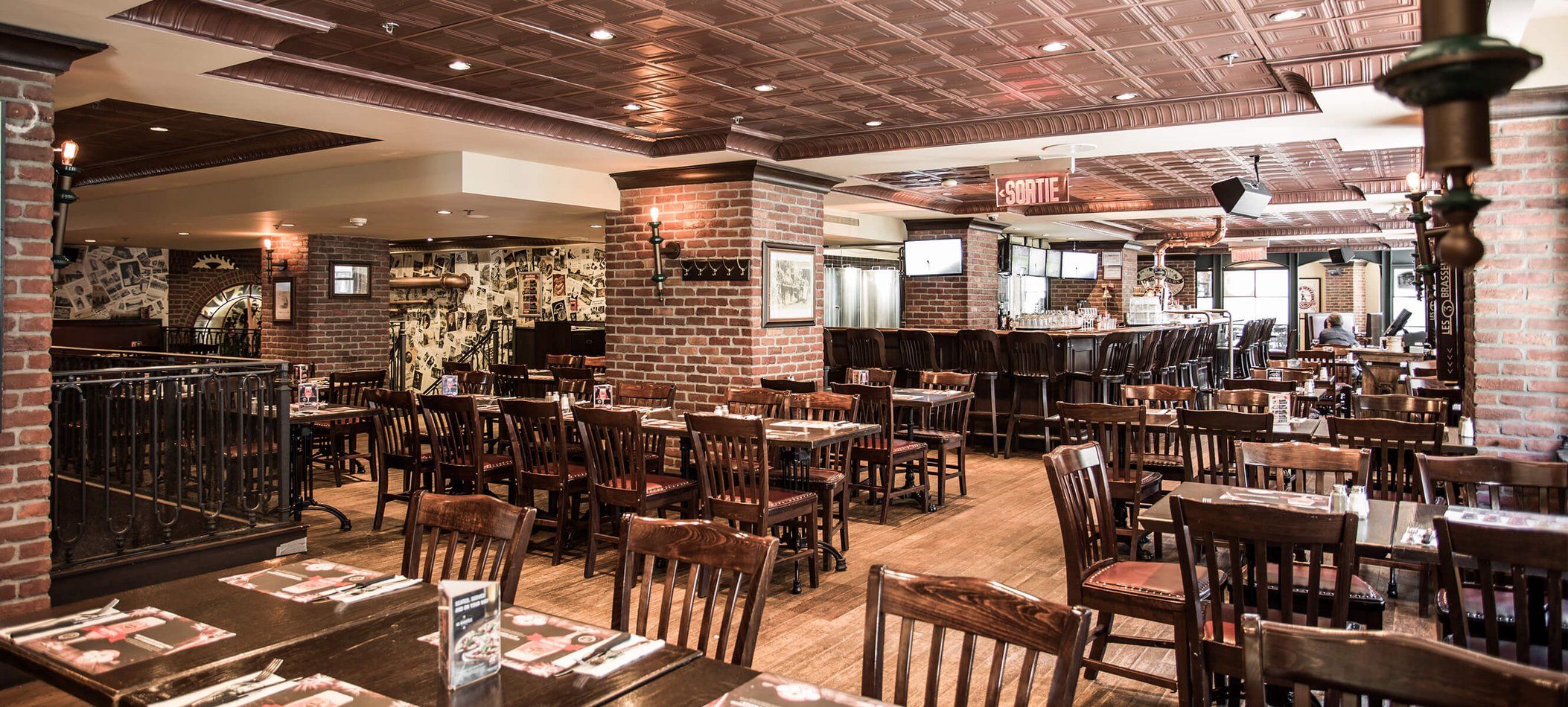
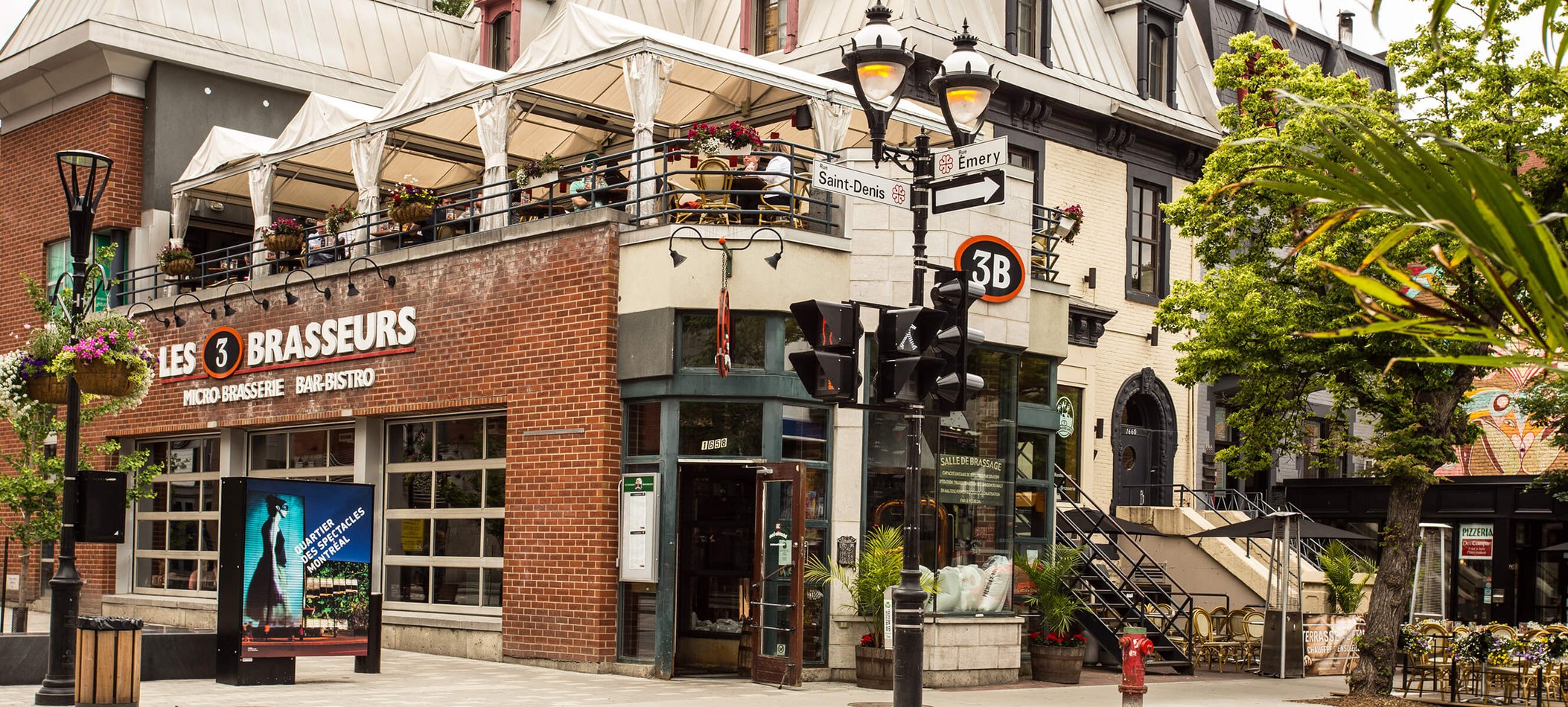
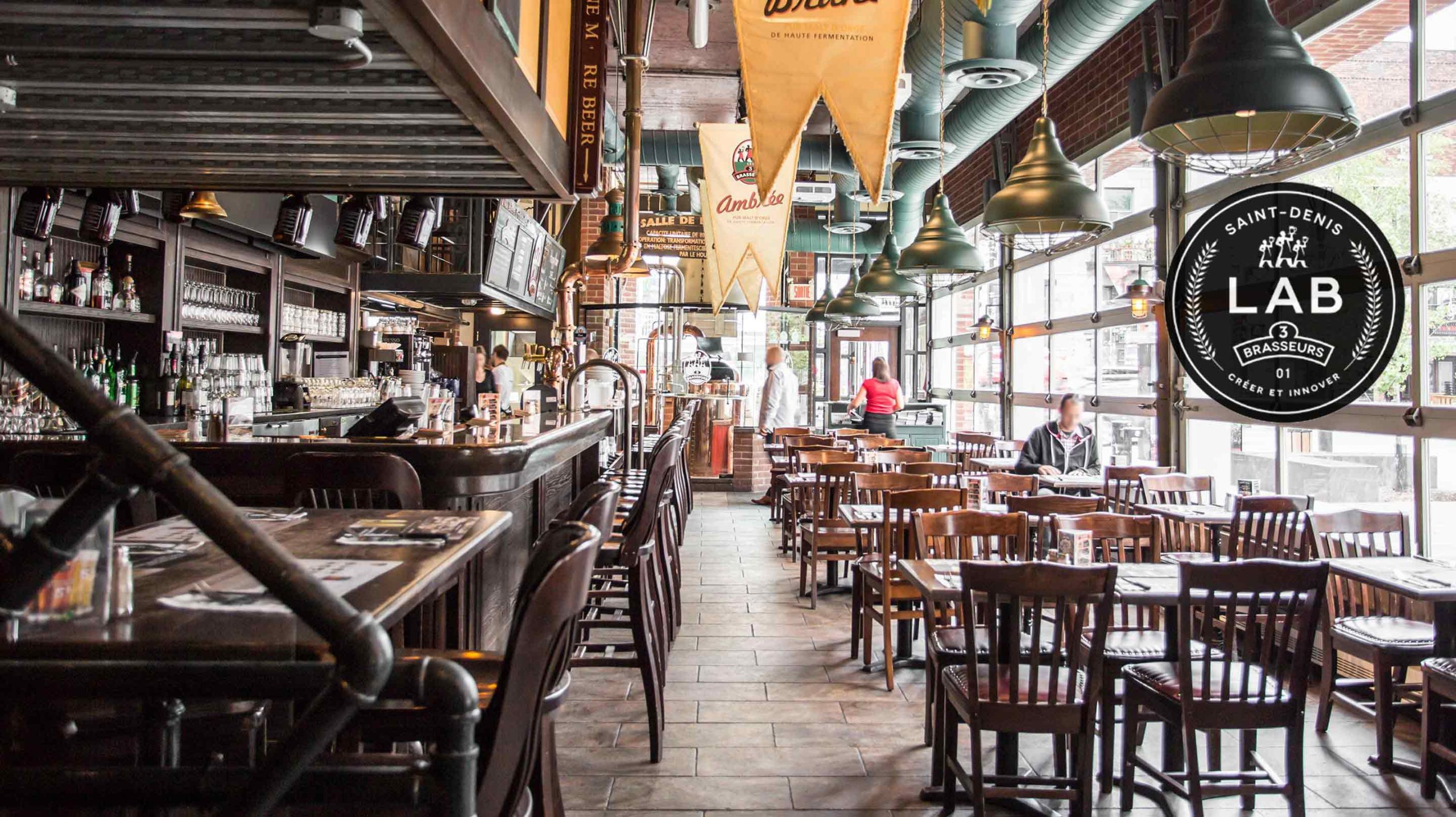
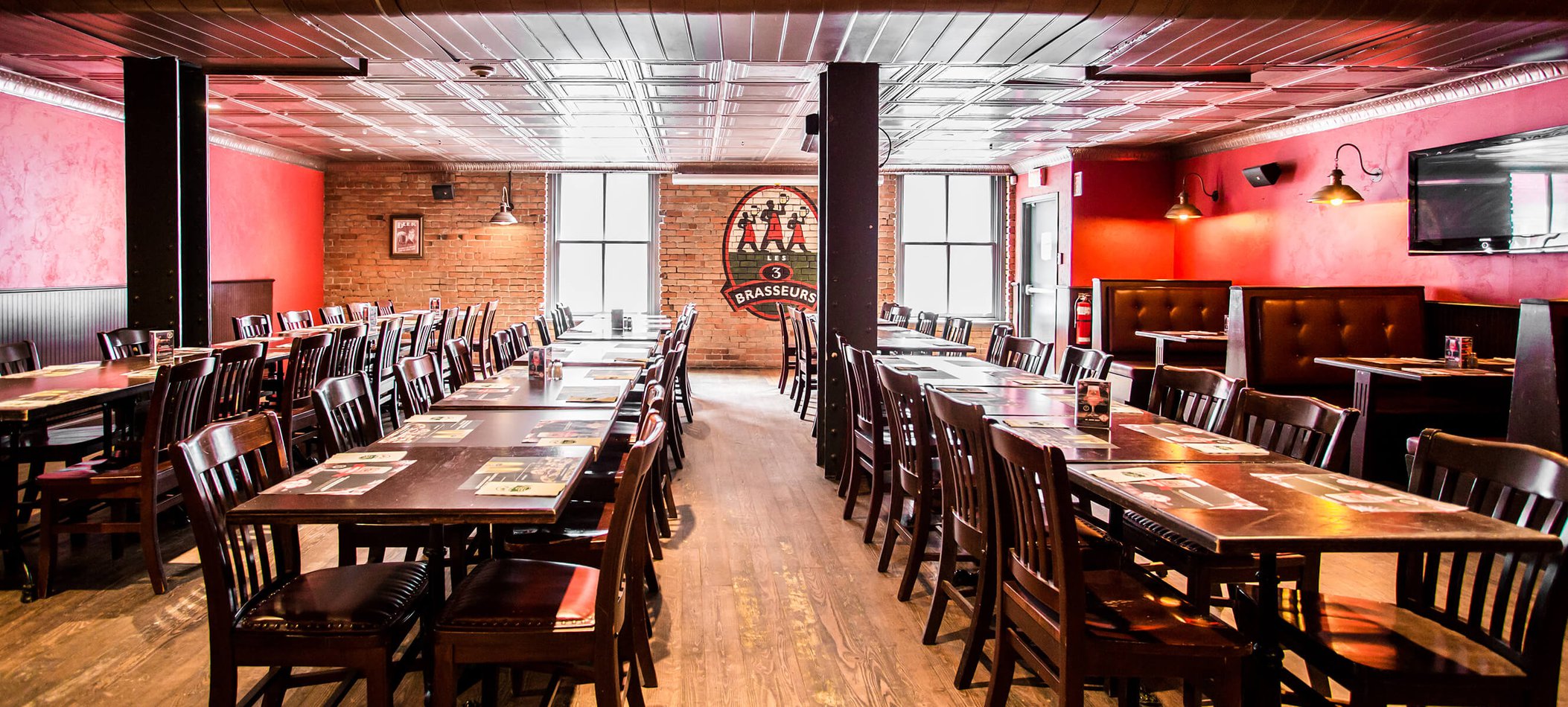
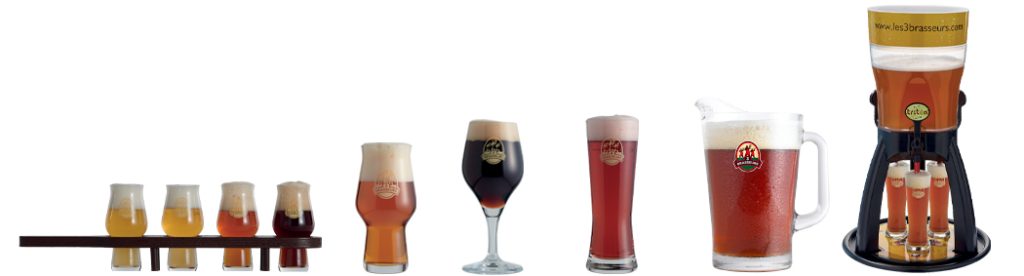
At 3 Brasseurs, you can experience this spirit of conviviality firsthand. Each location combines tradition and modernity, offering a wide range of beers that celebrate both heritage and innovation.
Beer in the modern era: challenges and innovations
Today, beer is experiencing a true renaissance. The rise of microbreweries has allowed brewers to experiment with new techniques and flavors, redefining the craft. Consumers are increasingly seeking unique and high-quality beers, while still prioritizing moderation.
Health and sustainability concerns are also shaping the industry. Many breweries, including 3 Brasseurs, now offer low-alcohol or non-alcoholic options, as well as more environmentally conscious production methods.

How long has beer existed ? Key takeaways
- Beer has existed for approximately 7,000 to 9,000 years.
- The earliest written records of beer come from the Sumerians.
- Beer has played a key role in rituals, culture, and social life since its origins.
- Its evolution reflects centuries of innovation and cultural adaptation.
- Modern craft breweries illustrate today’s growing passion for beer.
Understanding how long beer has existed shows that it is far more than just a beverage—it’s a true cultural heritage. Discover more insights, including is beer high in calories or does beer cause dehydration.