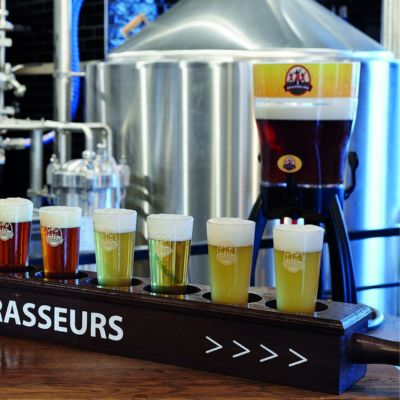
Beer holds a special place in our culture, and whether you’re a beer enthusiast or simply curious, you’ve likely asked yourself: how is beer made? What are the key ingredients? How do you brew beer? At 3 Brasseurs, we reveal the essentials of this fascinating beverage—from its core ingredients to the brewing process and its many variations. Get ready to explore the secrets of craft beer.
The main ingredients in beer
Beer is made from a few essential ingredients that, while simple, create a wide range of flavors and aromas. First, water—the primary component—plays a crucial role in the final taste. Its mineral content varies by region and directly influences the beer’s character.
Malt, usually derived from barley, is another key ingredient. Through malting (germination and drying), fermentable sugars are developed, which are essential for fermentation.
Hops provide bitterness and balance the sweetness of the malt. They also act as a natural preservative. Depending on the variety, hops can bring floral, citrusy, or fruity aromas, enriching the sensory experience.
Finally, yeast is the driving force behind fermentation. It converts sugars into alcohol and carbon dioxide. Different yeast strains influence the flavor profile, from light and fruity beers to richer, spicier styles.
The brewing process at 3 Brasseurs
The brewing process combines science and craftsmanship. It begins with crushing the malt to release sugars. The crushed malt is then mixed with hot water during mashing, producing a sweet liquid called wort.
The wort is filtered to remove solid residues, then boiled. During boiling, hops are added to develop bitterness and aroma. After boiling, the liquid is cooled—an essential step before fermentation.
Yeast is then added to the cooled wort, initiating fermentation. This stage transforms the liquid into beer. Fermentation time varies depending on the style. Brewers may then filter or pasteurize the beer before packaging. Each step allows for creativity and refinement.
Beer variations and brewing techniques
Every brewer has a unique approach, and 3 Brasseurs is no exception. Beer styles vary based on ingredients and techniques. While barley is most commonly used, other grains such as wheat or rye can add distinctive flavors.
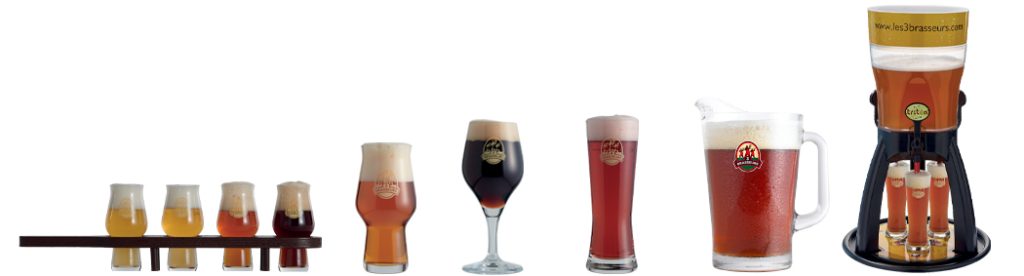
The type of malt significantly impacts the beer’s color and taste. Light malts produce sweeter, lighter beers, while roasted or smoked malts create darker beers with richer, more intense flavors.
- Malts: Influence color, sweetness, and body
- Hops: Affect bitterness and aroma depending on timing and variety
- Additional ingredients: Spices, fruits, and herbs enhance complexity
Hops can be added at different stages of brewing, resulting in varied aromatic profiles. Additional ingredients such as spices or fruits allow brewers to create unique craft beers with distinctive character.
The cultural and historical significance of beer
Beer has been part of human history for thousands of years. Beyond being a beverage, it represents culture, tradition, and social connection. In some societies, it even plays a role in rituals. Each region has developed its own brewing traditions, influenced by local ingredients and terroir.
Explore a wide selection of beers at 3 Brasseurs locations across Quebec. While you’re there, don’t miss the opportunity to enjoy some of the best poutine in the province!