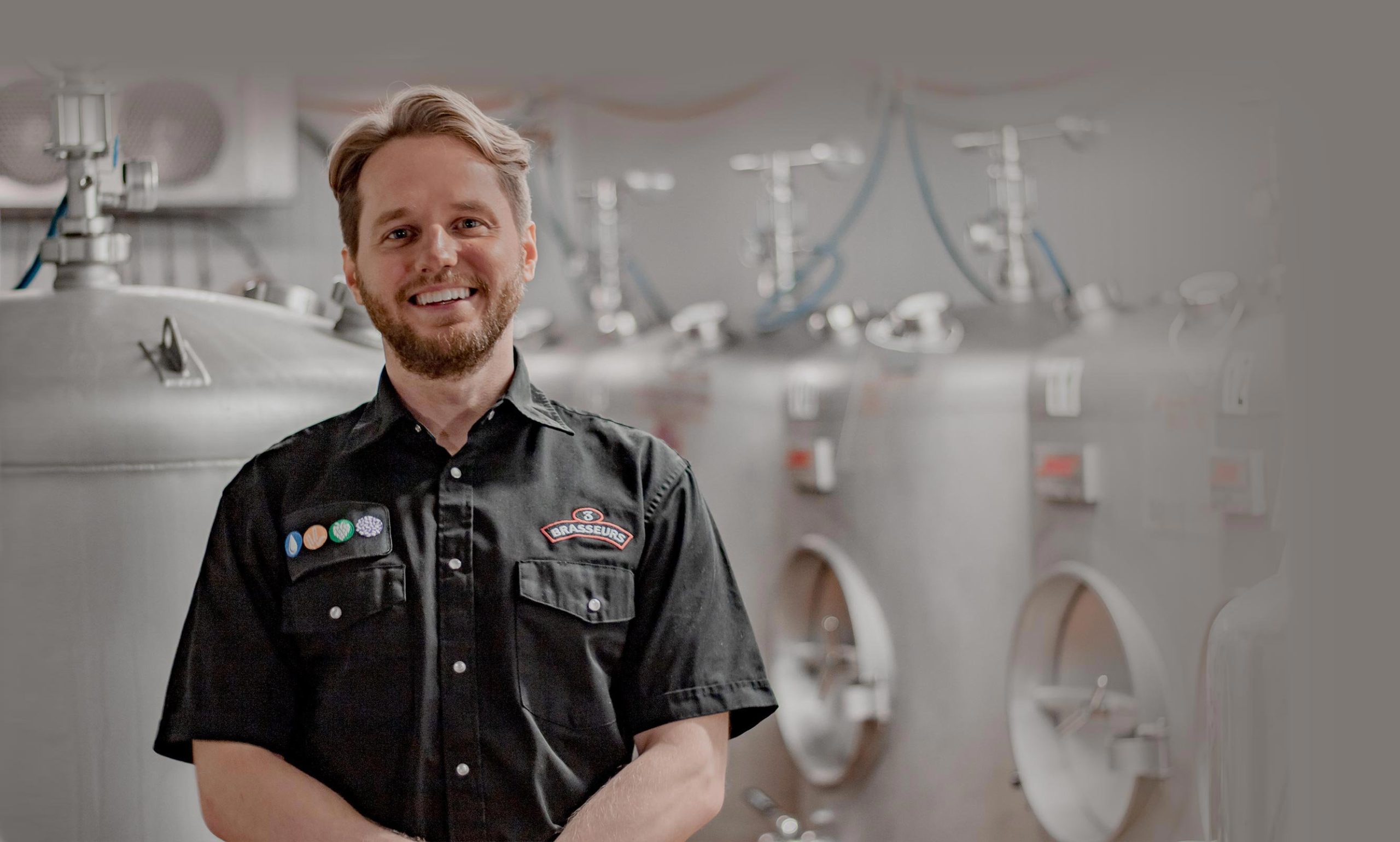
If you’ve been exploring the world of beer for years, there’s always more to learn—whether on this blog or at 3 Brasseurs restaurants and microbreweries. You may already know how to recognize a beer that’s still good. Now, discover what beer is made of with this complete guide.
What are the basic ingredients of beer?
To understand how beer is made, it’s essential to start with its four key ingredients: water, malt, hops, and yeast. These elements form the foundation of every beer.
Water is the primary ingredient, making up around 90% of beer. Its mineral composition directly impacts the flavor, adding subtle nuances to the final product.
Malt, typically derived from barley, provides the fermentable sugars needed for brewing. Depending on the type of malt used, it can bring flavors such as caramel, chocolate, or toasted bread.
Hops add bitterness and aromatic complexity, with floral, fruity, or resinous notes that balance the sweetness of the malt. Finally, yeast plays a crucial role by converting sugars into alcohol and carbon dioxide during fermentation.
By adjusting these ingredients, brewers can create a wide variety of beer styles, each with its own unique character and flavor profile.
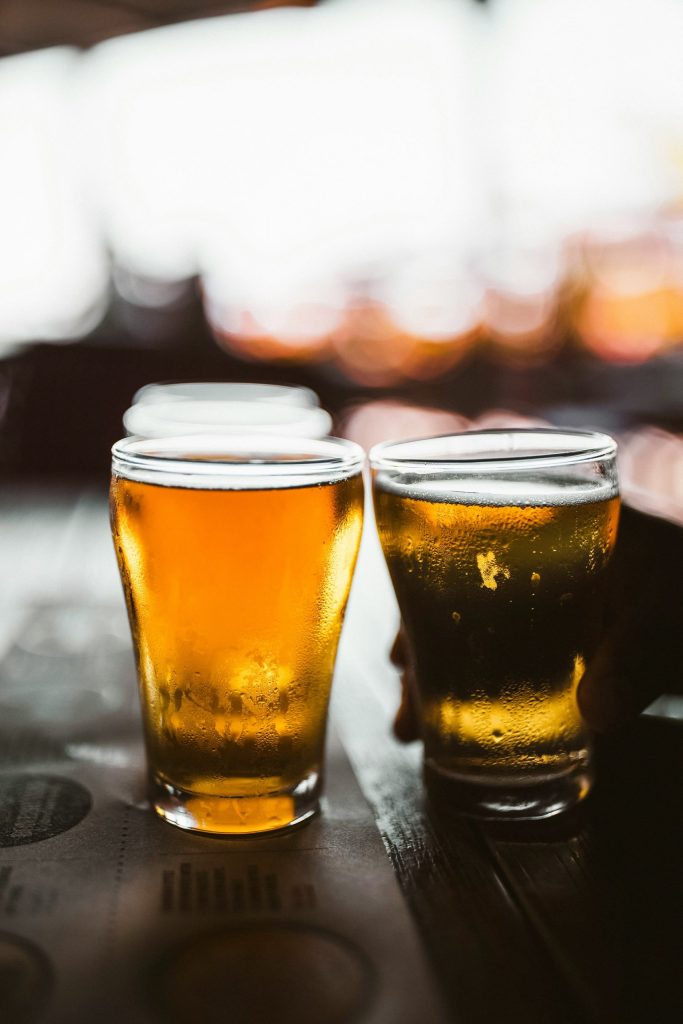
The brewing process explained by 3 Brasseurs
The brewing process involves several key stages that transform raw ingredients into beer. It begins with crushing the malt to release sugars. The crushed grains are then mixed with hot water during mashing, allowing enzymes to convert starches into fermentable sugars.
The resulting liquid, called wort, is filtered to remove solid residues before being boiled. During boiling, hops are added to develop bitterness and aroma. Modern techniques such as dry hopping can further enhance the beer’s aromatic profile.
Each brewery may adapt its methods, combining traditional craftsmanship with modern innovations to create distinctive beers.
Fermentation: the key step in beer production
Fermentation is where beer truly comes to life. During this stage, yeast consumes sugars and produces alcohol and carbon dioxide, giving beer its characteristic fizz and strength.
There are two main types of fermentation: top fermentation and bottom fermentation. Top fermentation, carried out at higher temperatures, produces beers with fruity and complex aromas. Bottom fermentation, on the other hand, results in cleaner, lighter styles such as lagers.
Temperature and timing are critical during fermentation, as they directly influence the beer’s final taste and aroma. Each brewer fine-tunes these parameters to achieve a specific result.
This dynamic and living process is what transforms simple ingredients into a rich and complex beverage.
Final steps: from brewing to serving
Before beer is ready to be enjoyed, it goes through several finishing stages, including clarification, packaging, and bottling or kegging.
- Clarification: removes impurities to produce a clear, visually appealing beer
- Packaging: ensures stability and preserves quality over time
- Bottling or kegging: prevents oxidation and protects aromas while preparing the beer for consumption
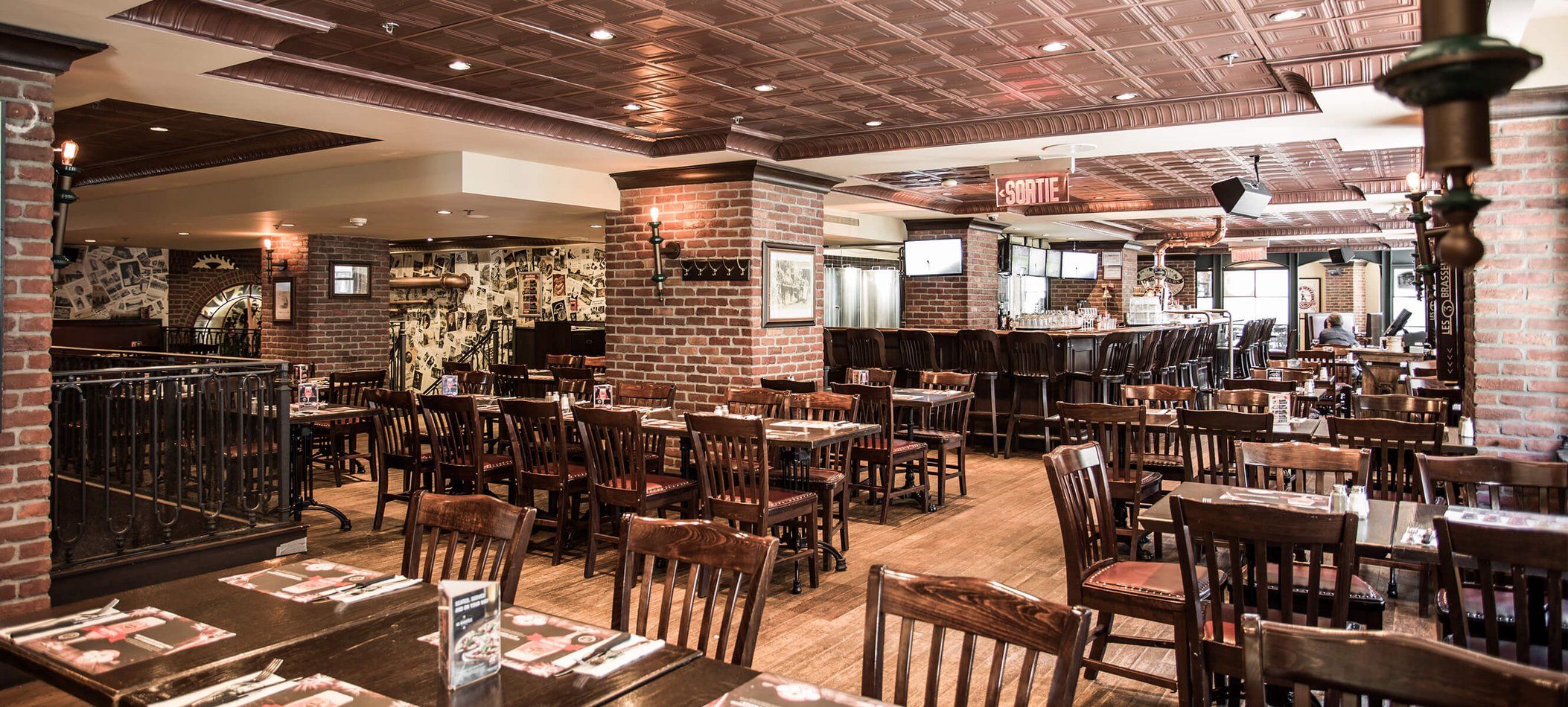
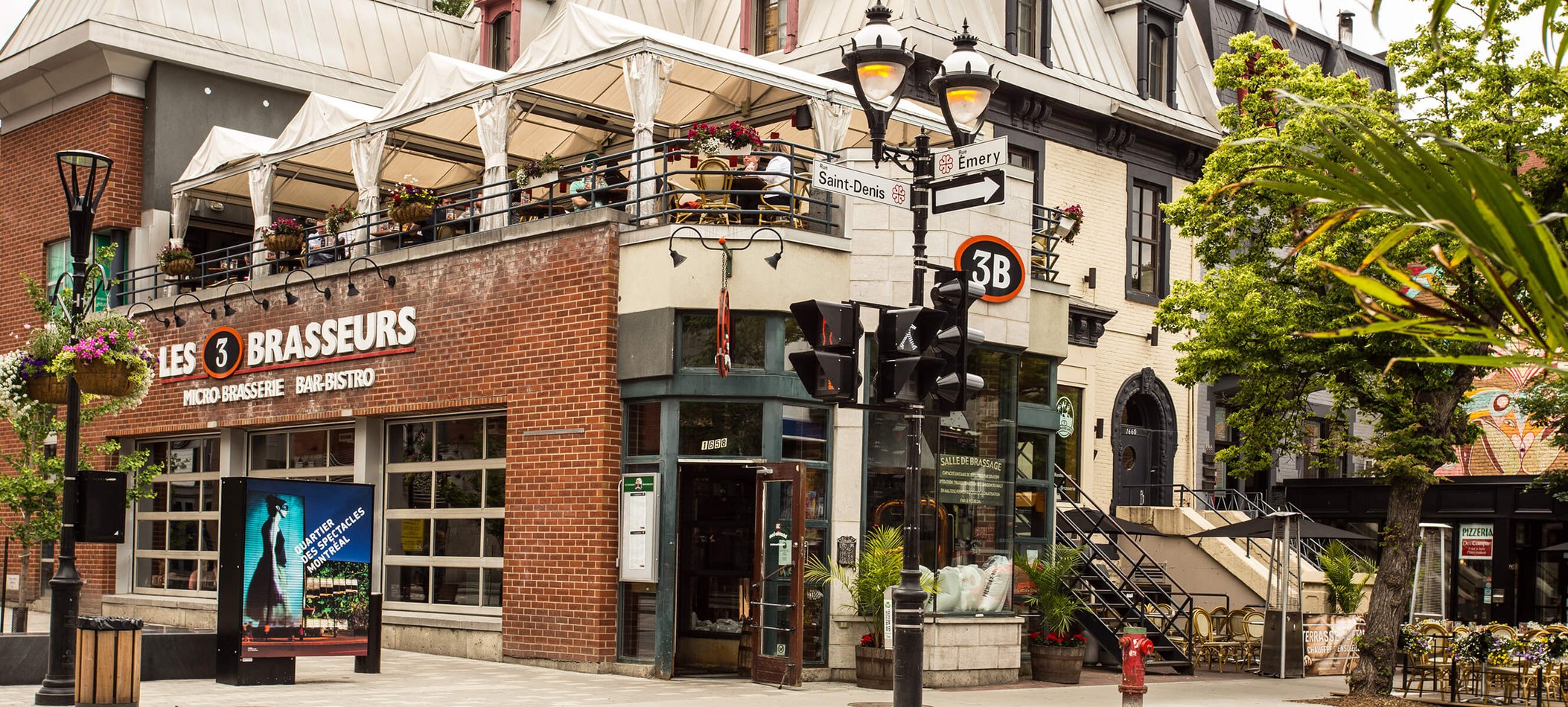
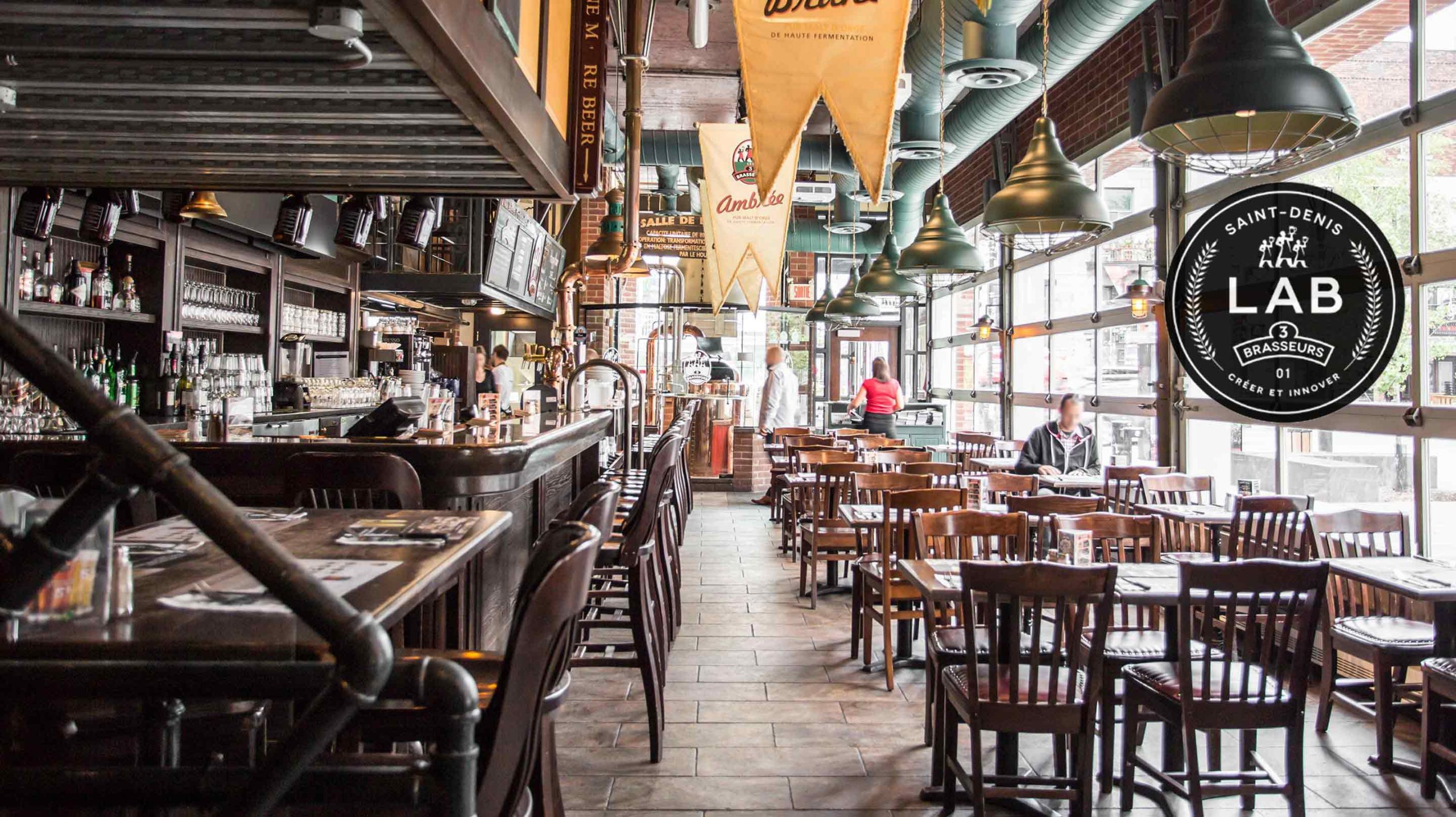
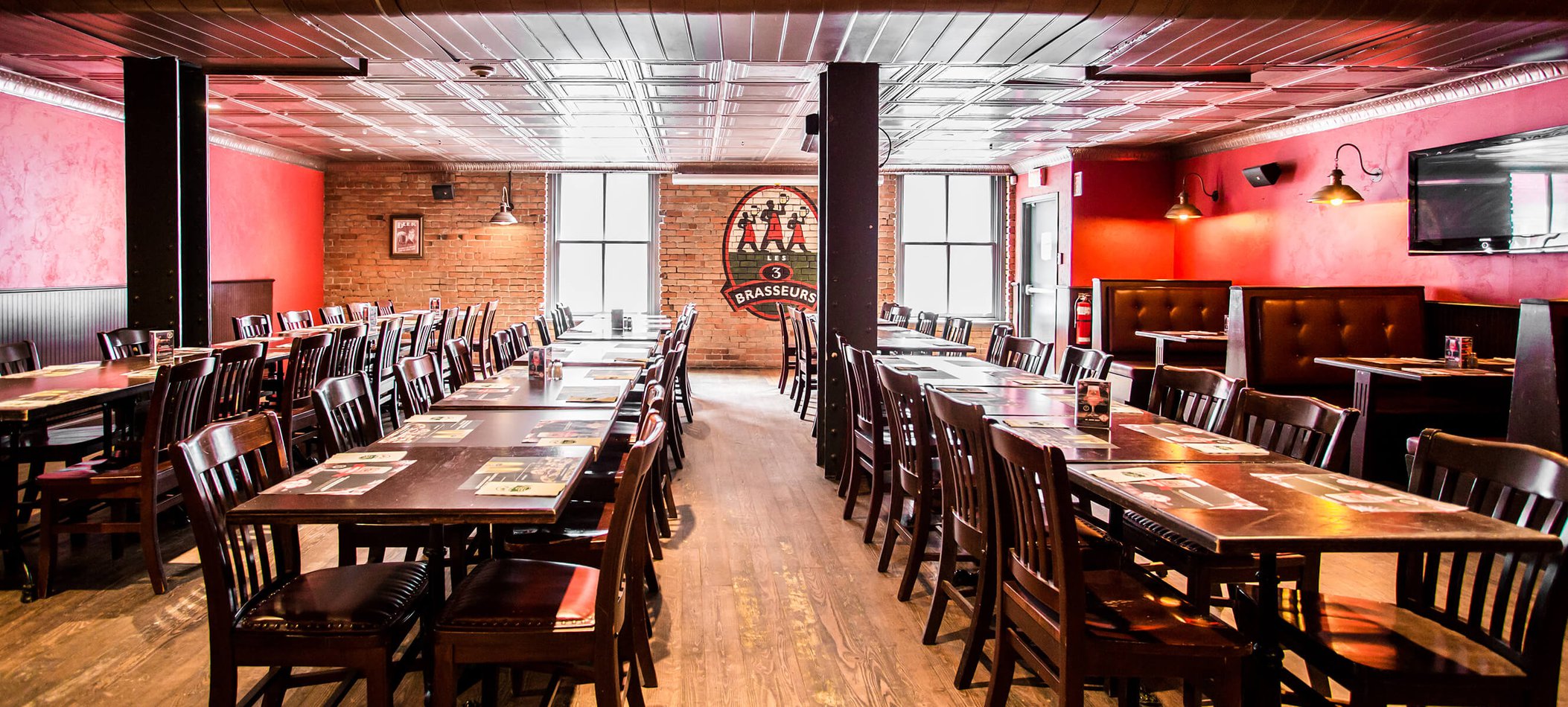
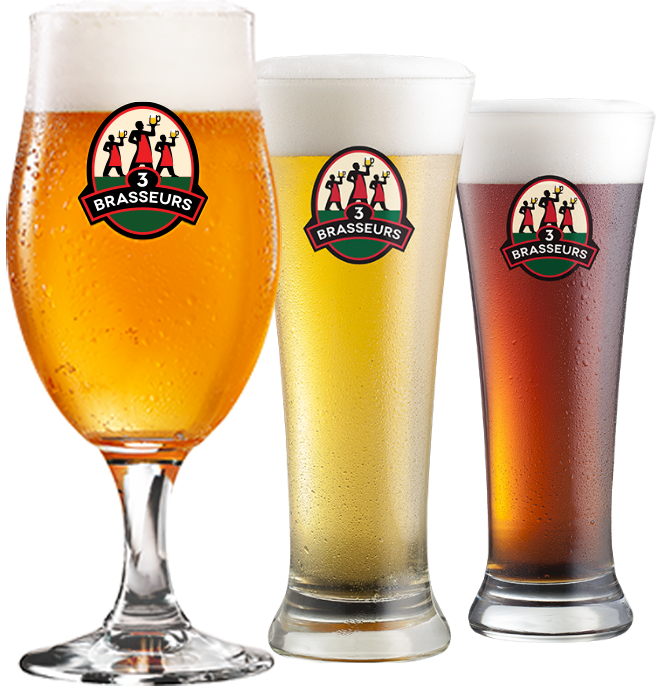
You can enjoy freshly brewed beers at 3 Brasseurs locations, especially in Quebec.