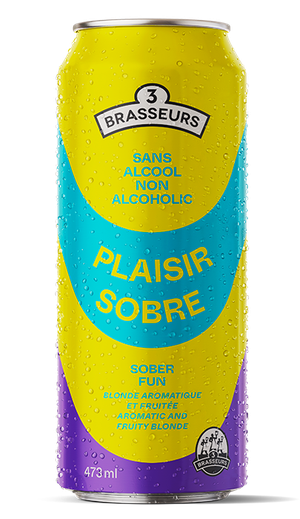
Do you already know how non-alcoholic beer is made, thanks to 3 Brasseurs? The growing trend of non-alcoholic beer is inspiring many homebrewers to get started. At 3 Brasseurs, we believe it’s entirely possible to enjoy great beer without alcohol. Discover how to make non-alcoholic beer at home!
The essential steps for making non-alcoholic beer according to 3 Brasseurs
To brew your own non-alcoholic beer, start by gathering the right ingredients:
- Grains (barley, wheat, etc.)
- Hops (for bitterness and aroma)
- Water (its quality significantly impacts the final taste)
- Yeast (choose strains suitable for controlled fermentation)
Once your ingredients are ready, begin the brewing process. First, grind the grains and mix them with hot water during the mashing stage. This step extracts the sugars required for fermentation.
Next, bring the mixture to a boil and add the hops. For non-alcoholic beer, the key lies in controlling fermentation. Brewers typically shorten the fermentation time—often to just a few days—to limit alcohol production while preserving the beer’s flavor profile.
Finally, cool the beer and bottle it. To avoid unwanted sourness caused by over-fermentation, carefully monitor both temperature and fermentation time. This ensures a flavorful, alcohol-free craft beer that retains authentic taste.
How to make non-alcoholic beer at home: tips and advice
Brewing non-alcoholic beer at home requires precision, and a few expert tips can make all the difference. First, choose yeast strains that produce minimal alcohol, such as certain wheat yeast varieties. These help maintain aromatic complexity while limiting alcohol content.
Another effective technique is pasteurization. By gently heating the beer after fermentation, you can stop yeast activity and prevent further alcohol development.
Monitoring pH levels is also crucial, as it directly impacts flavor balance. A stable, well-managed pH will result in a smoother and more enjoyable beer. Be mindful of common mistakes, such as excessive fermentation time or high temperatures, which can compromise the final product.
The differences between traditional and non-alcoholic beers
The main difference between traditional and non-alcoholic beer lies in fermentation. Standard beer ferments until reaching a specific alcohol level, whereas non-alcoholic beer requires strict control to limit alcohol formation. This difference significantly affects both taste and aroma.
Ingredients also play a key role. Brewers often select specialty malts that enhance flavor while keeping alcohol levels low. Adjustments in brewing techniques and hop selection are also essential.
Although non-alcoholic beer may taste lighter, modern brewing methods allow for rich and complex flavor profiles. These beers are accessible to a wider audience and offer a great alternative for responsible consumption without sacrificing enjoyment.
Discover 3 Brasseurs’ creations, including our lagers and amber beers. You can also enjoy the best poutine in Quebec City at our restaurants.