Have you always enjoyed drinking beer? Whether you’re a beginner or a seasoned enthusiast, learning how to brew your own beer is a rewarding experience offered by 3 Brasseurs. In this article, we cover the essential steps (including how to brew beer), explore different beer styles, and highlight common mistakes to avoid—so you can confidently start brewing your own beer.
The main steps in brewing beer, according to 3 Brasseurs
To get started, you’ll need the right equipment. Here are the essentials:
- A fermenter
- Bottles
- A thermometer
- Malt
- Hops
- Yeast
- Water
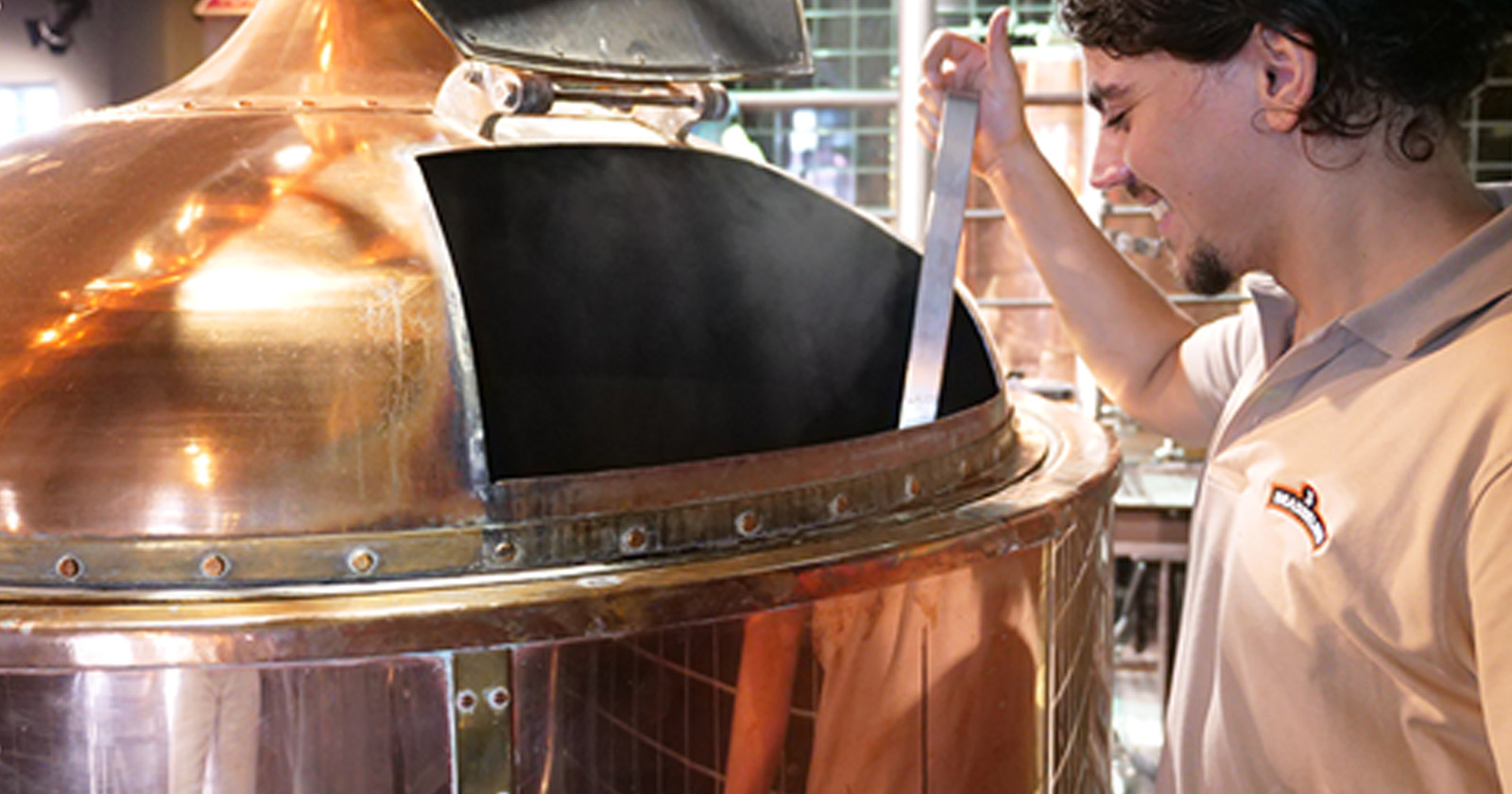
Once your equipment is ready, the brewing process can begin. It starts with malting, where grains are soaked to activate enzymes. After a few days, the grains are dried and crushed. Next comes mashing, where the malt is mixed with hot water to extract fermentable sugars—this step plays a key role in defining your beer’s flavor.
The mixture is then brought to a boil, and hops are added to provide bitterness and aroma. After boiling, the wort must be cooled quickly. Once it reaches the right temperature, transfer it to the fermenter and add yeast. This is where fermentation begins, as sugars are converted into alcohol over several days.
After fermentation, it’s time to bottle your beer. Add a small amount of sugar to promote carbonation, then seal the bottles and store them in a cool, dark place to mature.

Understanding the different types of beer and their characteristics
Learning how to make beer also means understanding the various styles available. At 3 Brasseurs, we offer a diverse range of beers, each with its own identity. Ales, for example, are fermented at higher temperatures and are known for their fruity and complex profiles. Lagers, on the other hand, ferment at lower temperatures and are lighter, crisper, and highly refreshing.
You can also explore more distinctive styles. Stouts feature rich notes of coffee and chocolate, while IPAs stand out for their intense hop aromas and bold bitterness. Although the brewing process remains similar, subtle variations in ingredients and techniques can produce vastly different results.
Experimentation is key. By trying different hop varieties and malts, you can create unique recipes. Visiting a 3 Brasseurs microbrewery may even inspire your next brew.
Common mistakes to avoid when making beer
While brewing your own beer can seem straightforward, there are several common mistakes to avoid. First, respecting fermentation time is crucial. Many beginners rush this step, but insufficient fermentation can result in flat, unbalanced beer. Patience and precision are essential for successful brewing.
Another frequent mistake is poor sanitation. Failing to properly clean and sterilize equipment can lead to contamination and spoil your entire batch. Always ensure that every tool—from fermenter to bottles—is thoroughly sanitized.
Finally, accurate measurements are vital. Each ingredient must be carefully weighed to maintain balance. Too much or too little hops can alter the flavor, just as poor-quality water can negatively impact the final result. Taking the time to prepare carefully will ensure consistent, high-quality brews.