Many people ask: does beer contain sugar? The short answer is yes — but usually in small amounts. Here’s a simple explanation 3 Brasseurs of where sugar in beer comes from and how it affects taste.
Where does the sugar in beer come from?
Most of the sugar in beer comes from the grains used during brewing, especially barley malt (but also wheat or corn). During the brewing process:
- The starches in grains are converted into sugars during mashing.
- This sugary liquid (called wort) is then fermented.
- Yeast consumes most of these sugars and turns them into alcohol and carbon dioxide.
However, fermentation is rarely 100% complete. Some sugars remain in the finished beer, known as residual sugar.
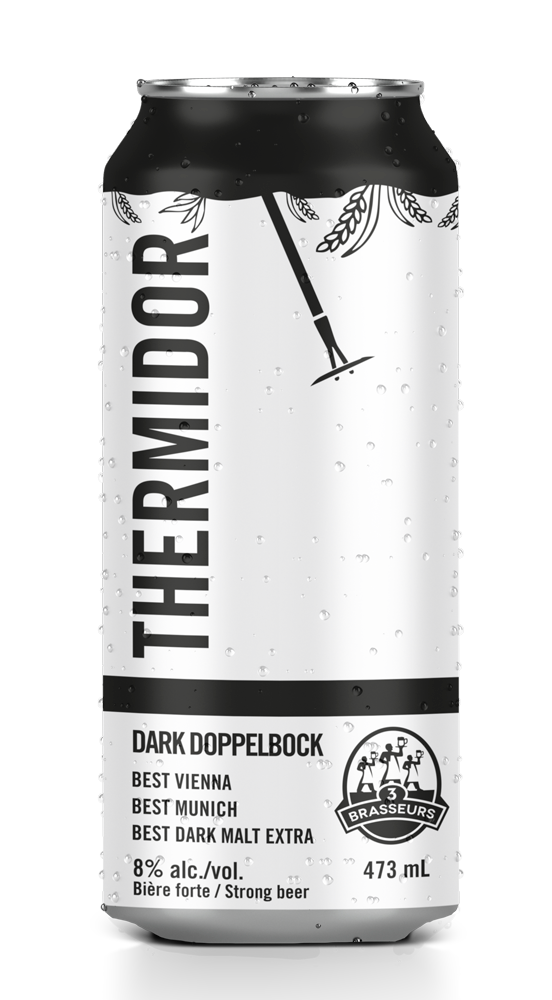
In some styles, brewers may also add sugars (such as fruit, honey, or syrups) to adjust flavor or alcohol strength.
Does beer contain residual sugar?
Yes — many beers contain a small amount of residual sugar.
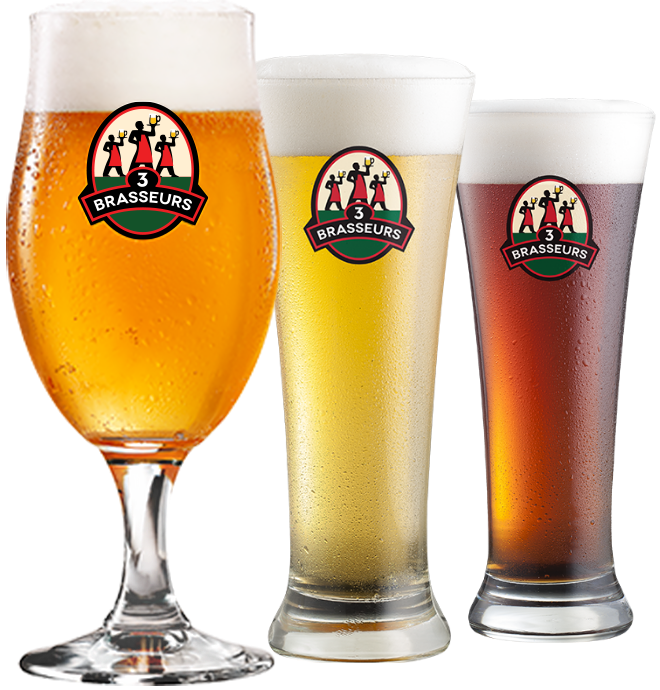
- Ales: often retain more residual sugar and taste fuller
- Lagers: usually ferment more completely and taste drier
Even when sugar is present, the bitterness of hops often balances it, so beer doesn’t necessarily taste sweet.
How sugar affects the taste of beer : the informations 3 Brasseurs
Sugar plays an important role in shaping beer’s flavour:
- Adds roundness and smoothness
- Balances hop bitterness
- Enhances fruity and floral aromas
A well-balanced beer blends sweetness, bitterness, and aroma without one dominating the others.
Taste preference varies widely:
- Some drinkers prefer sweeter beers (like certain ales or stouts)
- Others prefer dry, crisp styles (like lagers or brut beers)
Tips for choosing lower-sugar beers
If you want to reduce sugar intake:
- Look for beers labeled “dry” or “brut”
- Choose lagers or light beers
- Check nutritional labels when available
Key takeaway
Yes, beer does contain sugar — but usually only small amounts. The exact level depends on ingredients, brewing methods, and style. Understanding this helps you better appreciate flavour and make informed choices while enjoying beer responsibly in a restaurant 3 Brasseurs.