3 Brasseurs has already explained how many millilitres are in a pint of beer. But as a craft beer enthusiast, you might also be wondering: how many ml are in a large beer? Here’s everything you need to know.
What is a large beer? Definition and volume
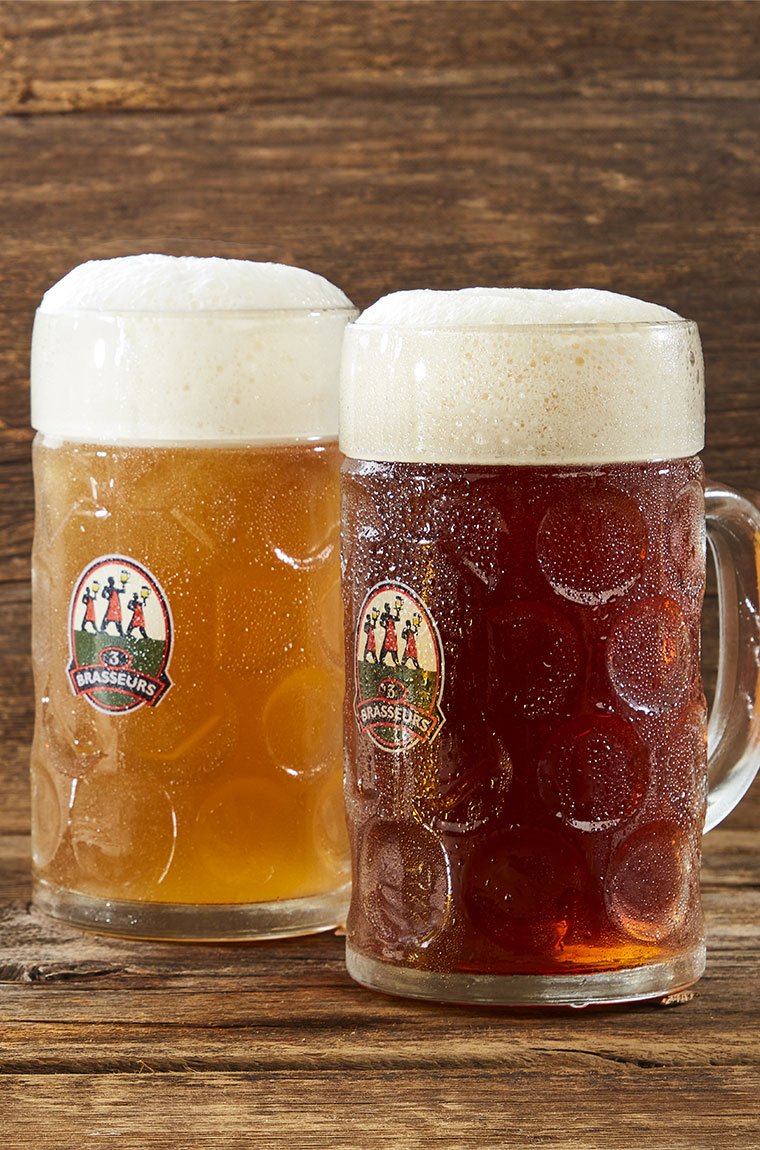
The term “large beer” generally refers to a serving size that exceeds the standard beer volume. Typically, a standard beer ranges from 250 ml to 330 ml (the usual size of a beer can). A large beer, however, usually ranges from 500 ml to 1 litre or more.
One of the most common references is the pint, which holds around 568 ml in the UK. In many bars and breweries — including 3 Brasseurs — larger formats are also available, such as bottles or containers of up to 1.5 litres or more, often designed for sharing.
In short, a large beer typically represents two to three times the volume of a standard beer, although the exact definition may vary depending on the country and context.
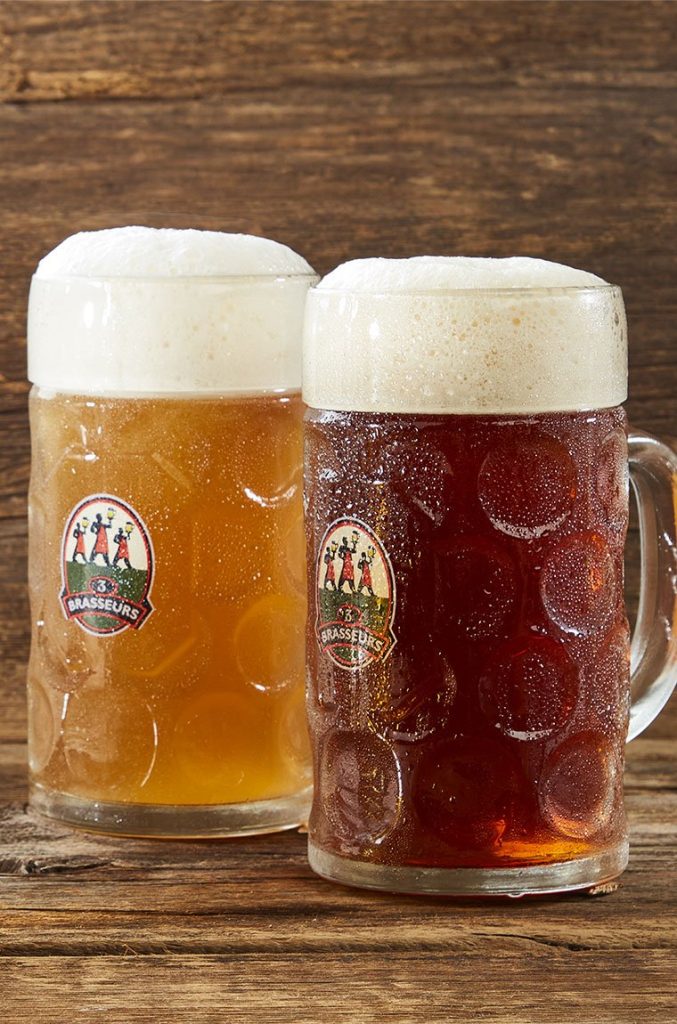
How many ml are in a large beer? Common sizes explained
If you’re wondering how many millilitres are in a large beer, here are the most common formats you’ll encounter:
- Pint: Approximately 568 ml (UK standard)
- 500 ml bottle: Common for many craft and specialty beers
- 1 litre serving: Often shared, especially in social settings
- Growler: Can hold 1 to 2 litres or more, ideal for gatherings
These formats show that a “large beer” can range from 500 ml to over 1 litre, offering flexibility depending on your preferences and the occasion.
How culture influences beer serving sizes
Beer serving sizes vary greatly depending on local traditions and drinking habits. In some countries, large beers are associated with sharing and conviviality. For example, in Germany, 1-litre servings are common at beer festivals, reflecting a strong culture of communal drinking.
In France, beer is traditionally served in smaller formats such as 250 ml or 330 ml. However, larger servings are becoming more popular in bars and breweries like 3 Brasseurs. A 500 ml glass is often considered standard in many contexts and may not always be seen as a “large” beer.
The rise of craft breweries has also influenced serving sizes, offering a wider range of formats so consumers can explore different beers without necessarily over-consuming.
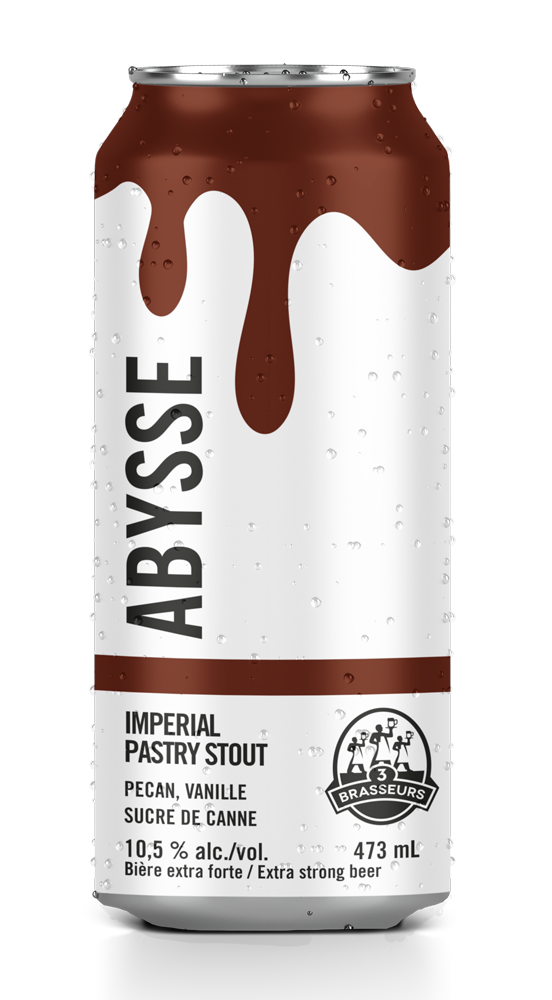
Advantages and disadvantages of large beers, according to 3 Brasseurs
Choosing a large beer can offer several benefits. It is often more cost-effective per litre than buying multiple smaller beers, making it a popular option for groups or social occasions. Larger servings can also enhance the tasting experience, allowing you to fully appreciate the beer’s aromas and complexity.
However, there are also some drawbacks. Drinking a large beer in one sitting can lead to faster alcohol consumption and stronger effects. Additionally, larger formats can be less practical if not consumed quickly, potentially affecting freshness and quality.
Understanding how many ml are in a large beer helps you make better choices, whether you’re enjoying a drink at home, in a bar, or at a 3 Brasseurs brewery — always with moderation in mind.